What does SIL funding actually cover under the NDIS?
12 June 2026
Key Points
SIL supports daily living for people with higher support needs
It covers help with tasks like personal care, cooking, and routines
SIL does not cover rent or housing costs
Eligibility depends on your support needs and NDIS plan
SIL and SDA are different and often confused
Summary
Supported Independent Living (SIL) helps people with disability live more independently with daily support. This guide explains what SIL funding covers, what it does not include, and how it differs from Specialist Disability Accommodation (SDA).
Supported Independent Living (SIL) is NDIS funding that provides daily support to help you live as independently as possible. It covers help with everyday tasks like personal care, cooking, and routines, while also building your skills over time. If you need regular support at home, SIL may be part of your NDIS plan.
What is SIL in the NDIS?
SIL stands for Supported Independent Living.
It is funding that helps you with everyday tasks and ongoing support needs, so you can live as independently as possible.
This support is usually provided in a shared home or supported living environment, but may also be available in other living arrangements depending on your needs.
SIL is one of several home and living supports available under the NDIS, and other options may be more suitable depending on your situation.
What does SIL cover?
SIL funding covers support with daily living tasks, such as:
personal care (showering, dressing)
cooking and meal preparation
cleaning and household tasks
help with routines and daily structure
supervision for safety and wellbeing
support to build everyday living skills
It may also include support to:
attend appointments
access the community
follow behaviour support plans
The goal is to help you live more independently over time.
What does SIL not cover?
SIL funding does not cover:
rent or mortgage payments
utility bills
groceries
personal expenses
It only covers the support, not the cost of living itself.
Who is eligible for SIL?
SIL is generally for people who:
need support throughout most of the day
require overnight support
have higher or complex support needs
In many cases, this means support is needed 7 days a week, including overnight.
Eligibility is based on your NDIS plan, your goals, and an assessment of your daily support needs.
Get in touch with our team to discuss your options.
At Kirinari, we deliver trusted Supported Independent Living (SIL) options throughout regional New South Wales, Victoria, and Tasmania. Whether you are searching for a home in Orange, Dubbo, Albury, Tamworth, Broken Hill, Forster, Wagga Wagga, or Port Macquarie, or looking across the border in Wodonga or Hobart, our team is here to help you find the perfect fit.
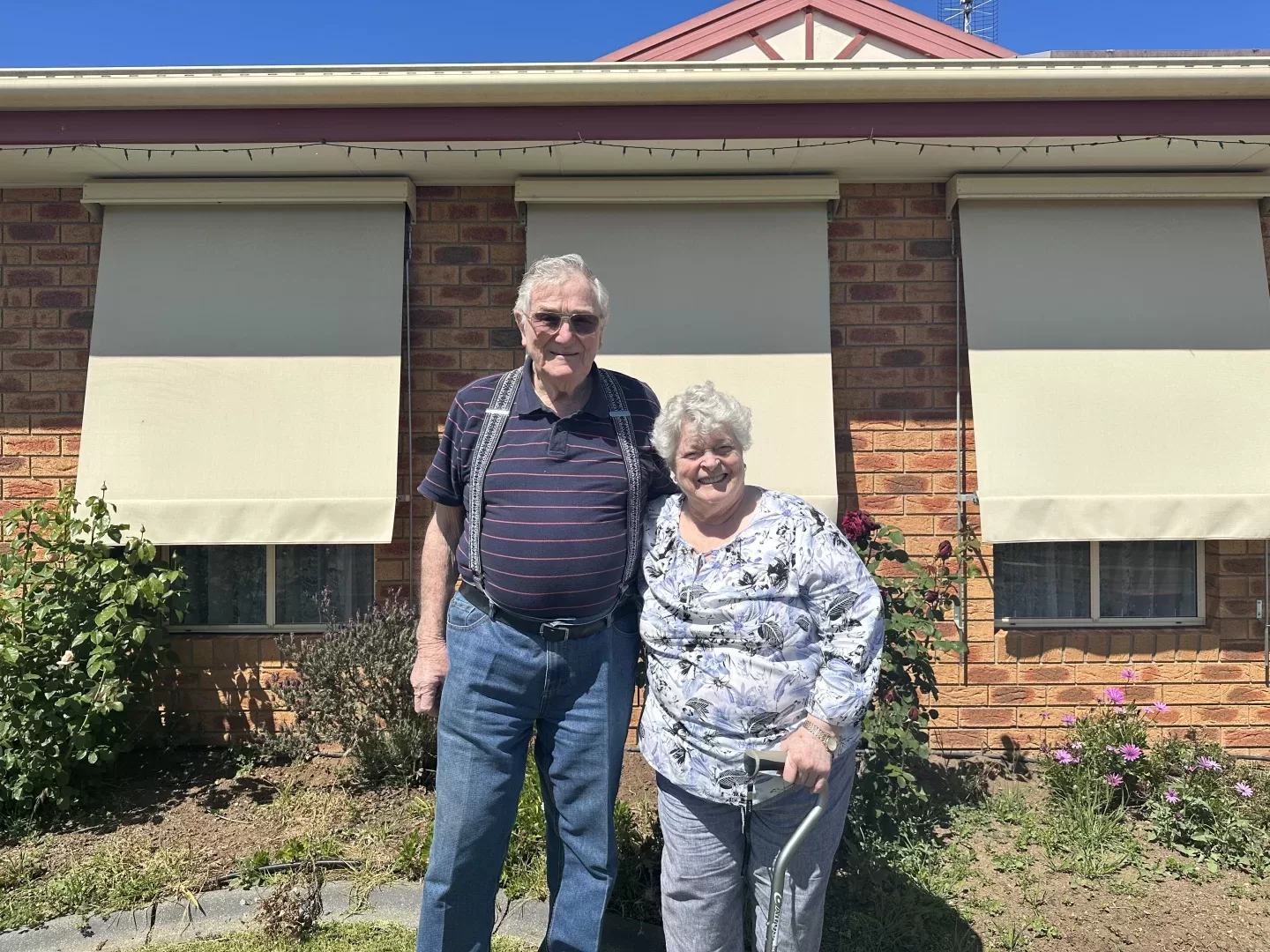
If there’s one thing Sylvia and Des have truly mastered, it’s the art of ageing with panache and good humour. They have found the secret to keeping the years at bay, all while living independently in the comfort of their cherished home.
Here are three simple language strategies you can use in your daily routines at home or on the go to help boost your child’s understanding and expression skills.
Learn how to apply for Supported Independent Living (SIL) under the NDIS, including eligibility, assessments, evidence requirements and what happens after you apply.
Be the first to hear about new programs, community news, and essential service announcements
Empowering people to live a good life.
Kirinari Community Services would like to acknowledge the traditional custodians of this land and pay our respects to the Elders past and present for they hold the memories, the traditions, the culture and hopes of Aboriginal Australia.
Kirinari acknowledges and recognises people from different nationalities, cultures, and identities. We are committed to providing an inclusive environment where individuals feel safe, accepted, and affirmed.
The 8 Support at Home Classifications Explained: Levels, Funding & Assessment
The Support at Home program has eight classifications that determine how much government funding you receive for ongoing care and services.
West Kempsey (Supported Independent Living)
The home features spacious open-plan living and dining areas, a comfortable lounge, and large bedrooms that can accommodate a queen bed and other personal furnishings.
How to Apply for SIL Funding Under the NDIS: A Step-by-Step Guide
Learn how to apply for Supported Independent Living (SIL) under the NDIS, including eligibility, assessments, evidence requirements and what happens after you apply.
Support at Home personal care contributions are changing
From 1 October 2026, Commonwealth Government will fully subsidise the cost of Support at Home personal care services. We’ve unpacked what’s changing and why it’s good news for consumers.
Commonwealth Home Support Programme Extended Until 2029
The Australian Government has announced that the Commonwealth Home Support Programme (CHSP) will be extended until 30 June 2029, continuing as a standalone program rather than being incorporated into the Support at Home program from mid-2027 as originally planned.
Healthy Ageing Advisory Forum
Healthy Ageing Consumer Advisory Forum Register your interest to join by 16 October, 2026.
How to Apply for the Support at Home (SaH) Program | Step-by-Step Guide
Learn how to apply for the Support at Home program, including eligibility, My Aged Care registration, assessments and what happens after approval.
New Community Transport Trial
Kirinari is partnering with Transport for NSW to provide expanded Community Transport services to students, trainees, and apprentices.
Llanarth (Supported Independent Living)
This spacious Supported Independent Living (SIL) home in Llanarth offers a comfortable and welcoming environment for people looking to enjoy shared living in a quiet, modern setting.