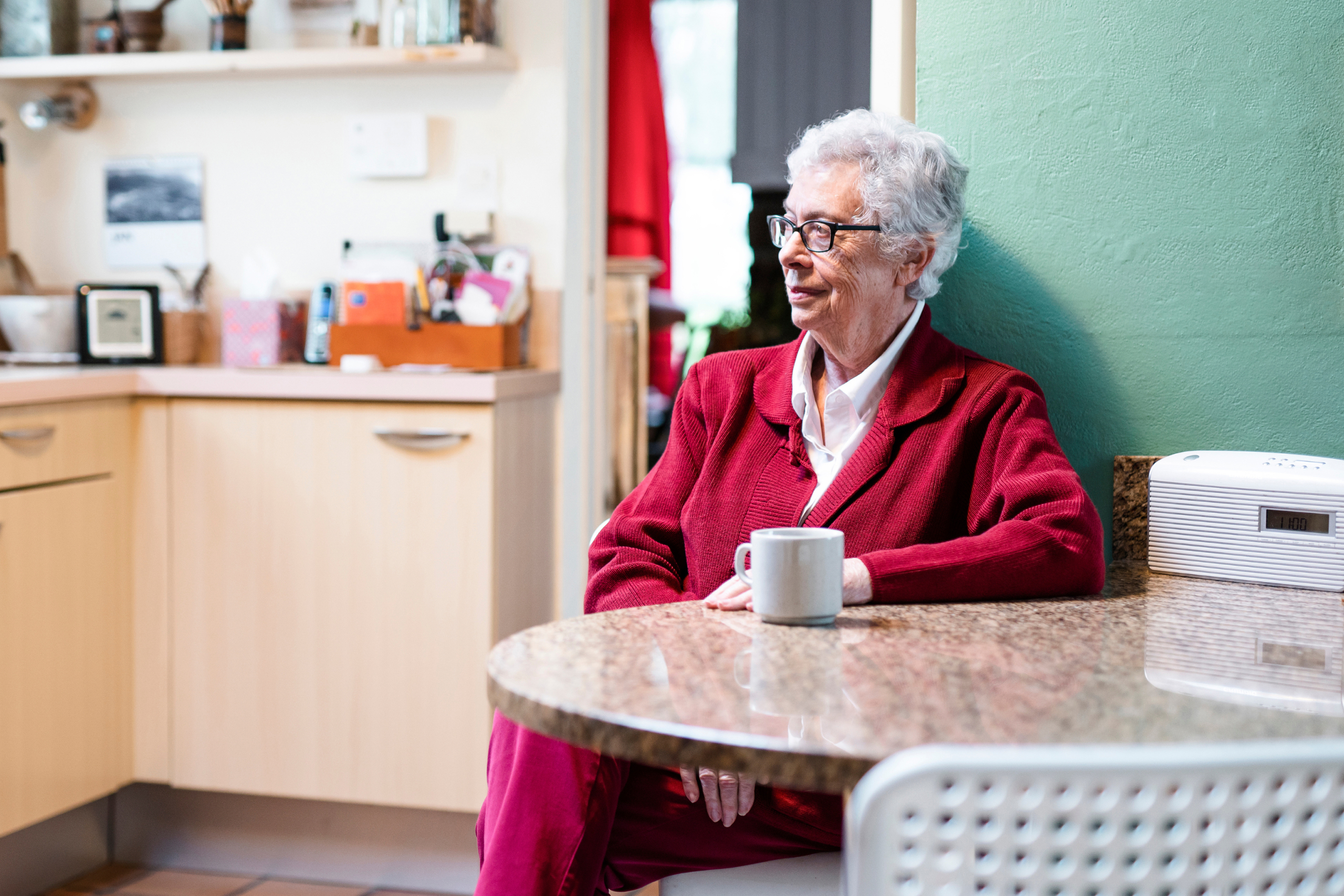
The Restorative Care Pathway provides up to 16 weeks of intensive support to help people recover, regain strength, and maintain independence at home.
Services include tailored exercise programs, allied health professionals, home modifications, and nursing care based on your personal goals and circumstances.
Eligibility is determined during your aged care assessment, with contributions required for independence and everyday living supports but not for clinical nursing care.
Support at Home begins on 1 November 2025, with existing Home Care Package recipients automatically transitioning to the new program.
Summary:
The Restorative Care Pathway under Support at Home provides up to 12-16 weeks of intensive nursing and allied health support to help older Australians regain independence after illness, injury, or age-related changes. This pathway replaces the former Short-Term Restorative Care Program and offers tailored services like exercise programs, allied health support, and home modifications based on individual goals. Support at Home begins on 1 November 2025, and Kirinari is here to help you navigate these changes and access the care you need.
The rollout of Support at Home is set to bring meaningful changes to the way in-home aged care is delivered across Australia. Services will become more flexible, consistent, and focused on the individual, with new funding streams and pathways that help people stay safe, well, and independent for longer.
The Restorative Care Pathway will replace the former Short-Term Restorative Care Programme.
What is the Restorative Care Pathway?
The Restorative Care Pathway is designed to support recovery, rehabilitation, and independence. It provides up to 12 weeks of intensive nursing and allied health support, which can be extended to 16 weeks if needed.
The supports you receive will depend on your personal goals and circumstances. For some, restorative care may involve a tailored exercise program to improve strength and balance. For others, it could include help from a dietitian to plan nutritious meals or the installation of minor home modifications such as bathroom rails or non-slip mats.
The Restorative Care Pathway aims to help you:
Prevent or delay the need for ongoing in-home care or higher levels of care
Regain strength and mobility after illness, injury, or surgery
Manage new or changing age-related conditions
Learn ways to maintain function and independence as you age
Am I eligible for the Restorative Care Pathway?
During your aged care assessment, your assessor will talk with you about your health, mobility, and goals for independence. If restorative care is likely to help you stay active and well at home, you’ll be allocated a budget to fund these supports. You’ll then work with your provider to set your goals, develop a plan, and arrange the services you need.
Your Restorative Care Plan may include:
Tailored exercise programs designed by physiotherapists or occupational therapists
Access to allied health professionals such as dietitians, speech pathologists, or podiatrists
Support from a dietitian to plan and prepare healthy meals
Recommendations and installation of mobility aids or home modifications
Nursing care to monitor recovery after illness or surgery
Will I need to contribute to the cost?
Yes. The same contribution arrangements that apply to other Support at Home services will also apply here.
This means:
Clinical supports such as nursing will not require a contribution
Independence supports such as personal care or transport will require a moderate contribution
Everyday living supports such as cleaning and shopping will require a higher contribution
Who will deliver my restorative care services?
If you already receive home care, your existing care partner will coordinate your restorative supports. You’ll also be supported by a Restorative Care Partner, who will provide clinical oversight and help you stay on track with your goals throughout the program.
Accessing Support at Home
Support at Home will begin across Australia on 1 November 2025.
If you’re new to government-funded aged care, visit My Aged Care or call 1300 547 462 to start the assessment process. Once assessed, you’ll receive a plan outlining the services available to you.
If you currently receive a Home Care Package, you’ll automatically transition to Support at Home. If you receive services through the Commonwealth Home Support Programme, your services will remain unchanged until July 2027, when you’ll move across to the new program.
If your circumstances change, you can contact My Aged Care to request a reassessment at any time.
We’re here to help
At Kirinari, we believe in care that supports independence, confidence, and connection. The introduction of Support at Home, including the Restorative Care Pathway, reflects a stronger focus on personal choice and wellbeing.
We understand these reforms can feel complex, but you don’t have to navigate them alone. Our caring and knowledgeable team can help you understand what’s changing and how to make the most of the support available.
To learn more about the Restorative Care Pathway or the Support at Home program, contact our team on 1300 547 462. We’re here to help you every step of the way.
Did you know only 56% of working‑age Australians with disability are in paid employment? That’s where Rise comes in!
Rise Training, delivered in partnership with Jigsaw Australia, creates real skills, real opportunities, and real futures for people with disability.
Support at Home self-management gives you more choice and control over how your care is delivered. You can decide who supports you, when services happen, and how your care is organised. This guide explains how self-management works and whether it’s the right option for you.
Be the first to hear about new programs, community news, and essential service announcements
Empowering people to live a good life.
Kirinari Community Services would like to acknowledge the traditional custodians of this land and pay our respects to the Elders past and present for they hold the memories, the traditions, the culture and hopes of Aboriginal Australia.
Kirinari acknowledges and recognises people from different nationalities, cultures, and identities. We are committed to providing an inclusive environment where individuals feel safe, accepted, and affirmed.
The 8 Support at Home Classifications Explained: Levels, Funding & Assessment
The Support at Home program has eight classifications that determine how much government funding you receive for ongoing care and services.
West Kempsey (Supported Independent Living)
The home features spacious open-plan living and dining areas, a comfortable lounge, and large bedrooms that can accommodate a queen bed and other personal furnishings.
How to Apply for SIL Funding Under the NDIS: A Step-by-Step Guide
Learn how to apply for Supported Independent Living (SIL) under the NDIS, including eligibility, assessments, evidence requirements and what happens after you apply.
Support at Home personal care contributions are changing
From 1 October 2026, Commonwealth Government will fully subsidise the cost of Support at Home personal care services. We’ve unpacked what’s changing and why it’s good news for consumers.
Commonwealth Home Support Programme Extended Until 2029
The Australian Government has announced that the Commonwealth Home Support Programme (CHSP) will be extended until 30 June 2029, continuing as a standalone program rather than being incorporated into the Support at Home program from mid-2027 as originally planned.
Healthy Ageing Advisory Forum
Healthy Ageing Consumer Advisory Forum Register your interest to join by 16 October, 2026.
How to Apply for the Support at Home (SaH) Program | Step-by-Step Guide
Learn how to apply for the Support at Home program, including eligibility, My Aged Care registration, assessments and what happens after approval.
New Community Transport Trial
Kirinari is partnering with Transport for NSW to provide expanded Community Transport services to students, trainees, and apprentices.
Llanarth (Supported Independent Living)
This spacious Supported Independent Living (SIL) home in Llanarth offers a comfortable and welcoming environment for people looking to enjoy shared living in a quiet, modern setting.