The Power of Social Groups in Rural & Regional Communities
9 December 2024
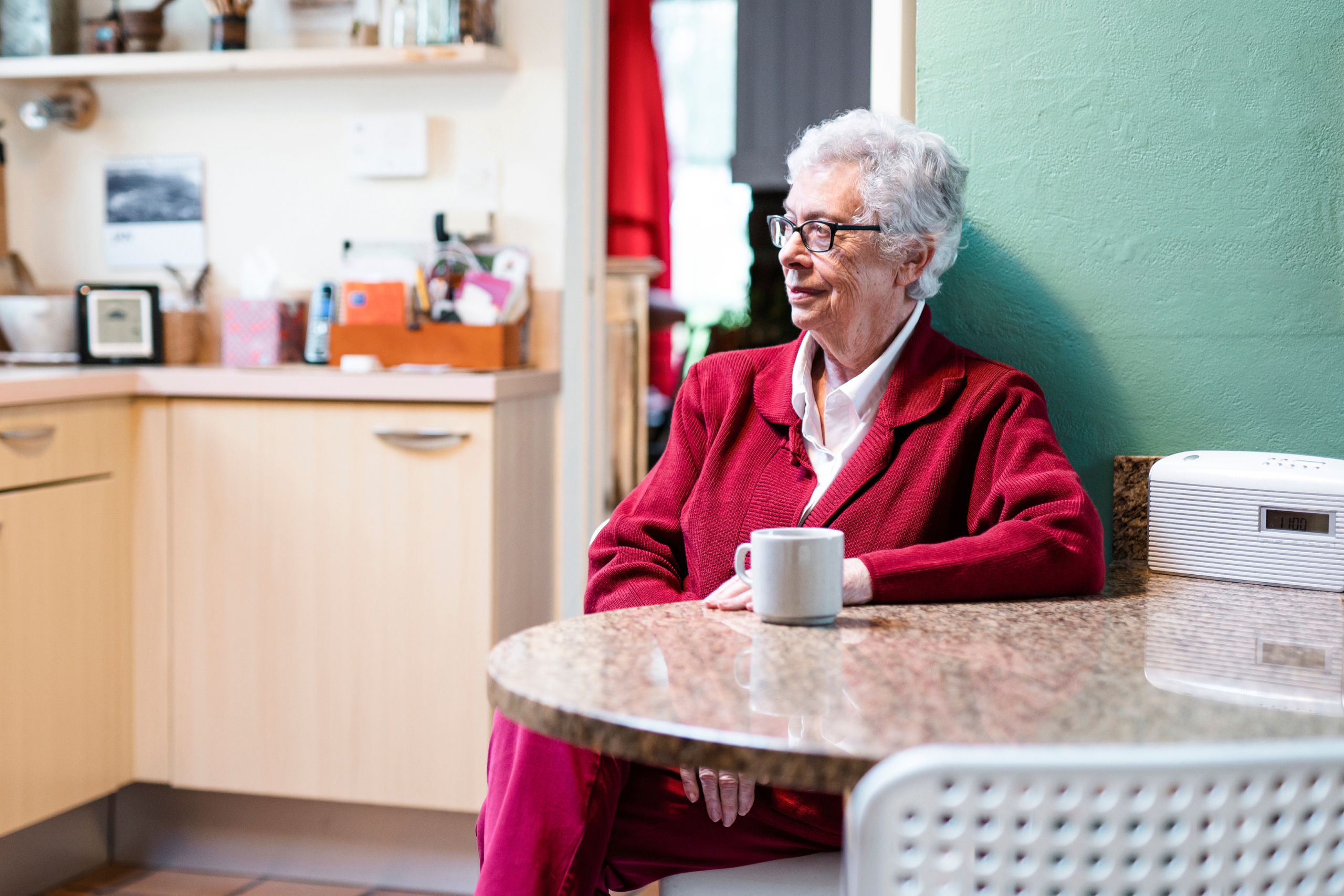
Social isolation is a significant concern for older adults in rural and regional areas, where access to activities and events may be limited. At Kirinari, we understand how vital social connections are for maintaining physical, mental, and social well-being. That’s why our Social Groups are designed to create opportunities for older adults to meet, engage in activities, and build meaningful relationships.
Benefits of Social Groups
Engaging in social activities offers many positive impacts on overall health. For instance, regular participation can improve mental health by reducing feelings of loneliness and isolation. Social connections also contribute to better physical well-being, with activities that encourage movement and promote mobility. Additionally, being part of a social group fosters a sense of belonging and purpose, while helping individuals build lasting friendships and support networks.
A Range of Activities to Choose From
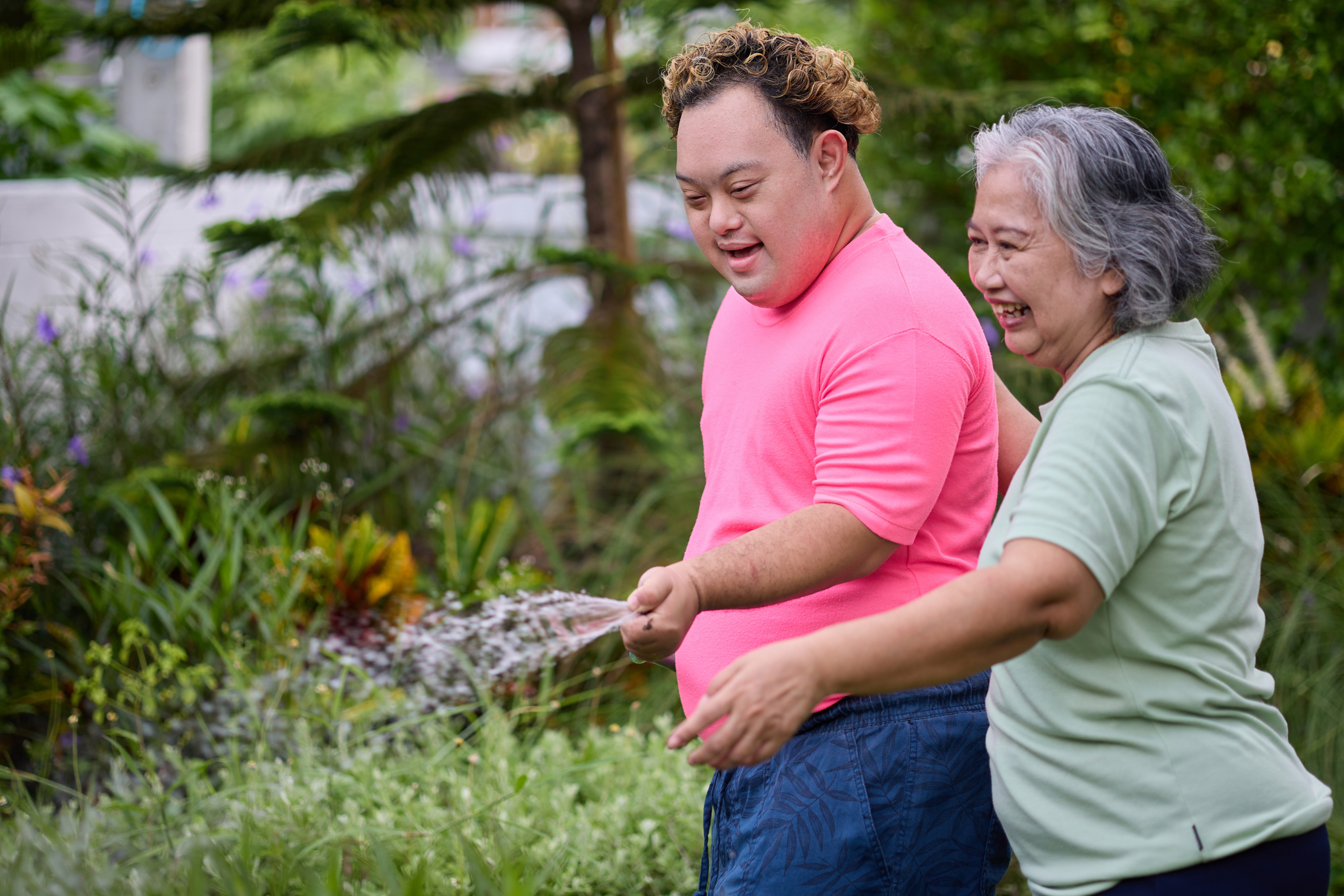
Our Social Groups offer a variety of activities tailored to suit different interests. Whether you enjoy creative arts, gentle exercise, social meetups, or outings, there’s something for everyone. These activities are designed to keep participants engaged and active while having fun with others who share similar interests.
Reasons to Get Involved
Joining a social group is an excellent way to meet people who share similar interests. Building new friendships can bring a sense of belonging and support, helping you feel more connected to your community.
At Kirinari, we are committed to helping older adults in rural communities stay connected, healthy, and engaged. If you’re looking to meet new people and enjoy some fun activities, our Social Groups might be just what you need.
Learn how to apply for Supported Independent Living (SIL) under the NDIS, including eligibility, assessments, evidence requirements and what happens after you apply.
There are a variety of care and support services available that can assist the autistic community including their loved ones to address these challenges. One of these support services is occupational therapy.
Be the first to hear about new programs, community news, and essential service announcements
Empowering people to live a good life.
Kirinari Community Services would like to acknowledge the traditional custodians of this land and pay our respects to the Elders past and present for they hold the memories, the traditions, the culture and hopes of Aboriginal Australia.
Kirinari acknowledges and recognises people from different nationalities, cultures, and identities. We are committed to providing an inclusive environment where individuals feel safe, accepted, and affirmed.
WorkFoundations is a paid employment program helping people who face barriers to employment build their skills, gain real work experience and take steps toward their future.
Kirinari Transport now servicing the Mid North Coast
Older Australians living on the Mid North Coast of New South Wales can now access affordable, reliable, door-to-door transport services directly with Kirinari.
Community comes together to officially open Kirinari’s Hoffmann Road day program centre in Thurgoona
Kirinari officially opened its Hoffmann Road day program centre in Thurgoona on Wednesday 07 October 2026, celebrating the occasion with customers, families, the community, and staff.
The 8 Support at Home Classifications Explained: Levels, Funding & Assessment
The Support at Home program has eight classifications that determine how much government funding you receive for ongoing care and services.
West Kempsey (Supported Independent Living)
The home features spacious open-plan living and dining areas, a comfortable lounge, and large bedrooms that can accommodate a queen bed and other personal furnishings.
How to Apply for SIL Funding Under the NDIS: A Step-by-Step Guide
Learn how to apply for Supported Independent Living (SIL) under the NDIS, including eligibility, assessments, evidence requirements and what happens after you apply.
Support at Home personal care contributions are changing
From 1 October 2026, Commonwealth Government will fully subsidise the cost of Support at Home personal care services. We’ve unpacked what’s changing and why it’s good news for consumers.
Commonwealth Home Support Programme Extended Until 2029
The Australian Government has announced that the Commonwealth Home Support Programme (CHSP) will be extended until 30 June 2029, continuing as a standalone program rather than being incorporated into the Support at Home program from mid-2027 as originally planned.